List your top 5 favorite fruits.
1. Mango – The king of fruits, loved for its juicy sweetness and tropical flavor.
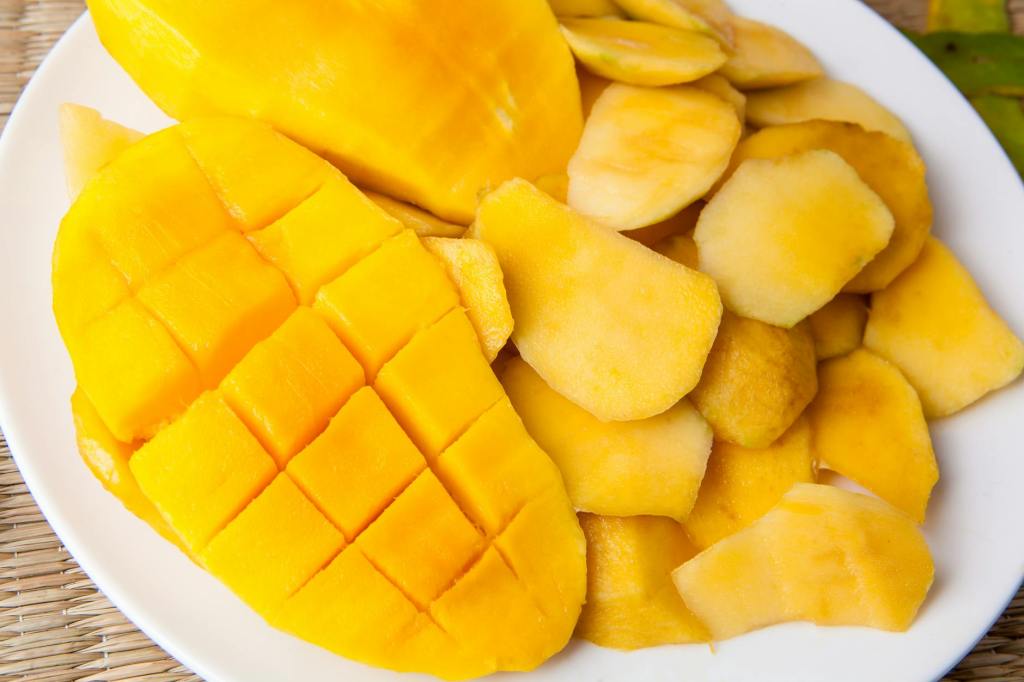
Mangoes are not only delicious but also a powerhouse of nutrients. One cup (165 grams) of fresh mango provides:
● Calories: 99
● Protein: 1.4 grams
● Carbs: 24.7 grams
● Fat: 0.6 grams
● Fiber: 2.6 grams
● Sugar: 22.5 grams
Vitamins
● Vitamin C: 67% of the Daily Value (DV)
● Copper: 20% of the DV
● Folate: 18% of the DV
● Vitamin B6: 12% of the DV
● Vitamin A: 10% of the DV
● Vitamin E: 10% of the DV
● Vitamin K: 6% of the DV
● Niacin: 7% of the DV
● Potassium: 6% of the DV
● Riboflavin: 5% of the DV
● Magnesium: 4% of the DV
● Thiamine: 4% of the DV
This makes mangoes an excellent source of vitamin C, a good source of folate, copper, and several B vitamins. They also contain vitamin A, K, and E.
Here are some of the health benefits of mango:
Boosts immunity: Mangoes are loaded with vitamin C and antioxidants, which help protect your cells from damage and boost your immune system.
Aids digestion: Mangoes contain digestive enzymes that can help break down food and improve digestion.
Promotes healthy skin: Vitamin A and C in mangoes are important for healthy skin. They can help reduce wrinkles and keep your skin looking youthful.
Improves heart health: Mangoes contain fiber, potassium, and vitamin C, all of which are beneficial for heart health.
Supports healthy vision: Mangoes contain vitamin A, which is important for healthy vision.
2. Strawberry – A classic favorite, perfect for snacking or adding to desserts.

Strawberries are a delightful treat and a nutritional powerhouse! Here’s a breakdown of the nutrients you can find in a one-cup serving (about eight medium strawberries):
- Calories: Low in calories, with only around 45-53 per cup.
- Water: High water content, making up about 91% of their weight.
- Carbs: Contain mostly carbohydrates (around 7.7-12.7 grams per cup), with some being fiber (3-3.3 grams per cup) and some natural sugars (4.9-7 grams per cup).
- Vitamin C: An excellent source of vitamin C, with one cup boasting more than an orange! Vitamin C acts as an antioxidant and supports your immune system.
- Manganese: A good source of manganese, a mineral important for enzyme function, metabolism, and bone health.
- Folate (vitamin B9): Provides a good amount of folate, which plays a crucial role in cell growth and DNA synthesis, especially important during pregnancy.
- Potassium: Contains some potassium, a mineral that helps regulate blood pressure and muscle function.
- Other nutrients: Strawberries also offer smaller amounts of iron, copper, magnesium, phosphorus, and vitamins B6, K, and E.
Overall, strawberries are a low-calorie and nutrient-dense fruit. They’re a great way to add sweetness, fiber, and essential vitamins and minerals to your diet! tunesharemore_vert
3. Watermelon – A refreshing summer fruit, perfect for hydrating on a hot day.
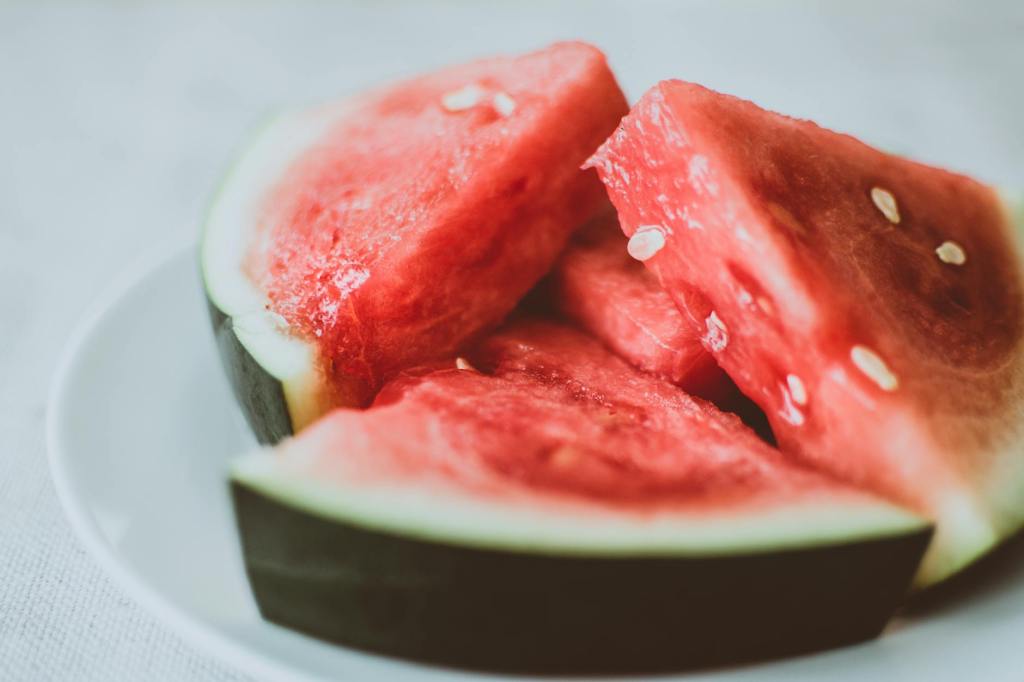
Watermelon might be known for its refreshing sweetness, but it’s also surprisingly nutritious! Here’s a look at what a one-cup serving (about 152 grams) of watermelon offers [1,2]:
- Calories: Low in calories, with only around 46 per cup.
- Water: As the name suggests, watermelon is mostly water, making up about 91% of its weight. This makes it a perfect hydrating snack, especially on hot days.
- Carbs: Contains some carbohydrates (around 11.5 grams per cup), with some being fiber (0.6 grams per cup) and most being natural sugars (9.4 grams per cup).
- Vitamin C: A good source of vitamin C, providing around 14% of the Daily Value (DV). Vitamin C acts as an antioxidant and supports your immune system.
- Potassium: Offers some potassium, a mineral that helps regulate blood pressure and muscle function (around 4% of the DV).
- Lycopene: Watermelon is rich in lycopene, an antioxidant important for heart health and potentially linked to a reduced risk of certain cancers.
- Other nutrients: Watermelon also contains smaller amounts of vitamin A, B vitamins, magnesium, and copper.
Overall, watermelon is a low-calorie and hydrating fruit with a good amount of vitamin C and lycopene. It’s a refreshing and nutritious way to stay cool and add some essential nutrients to your diet!
4. Banana – A convenient and portable fruit packed with potassium and other nutrients.
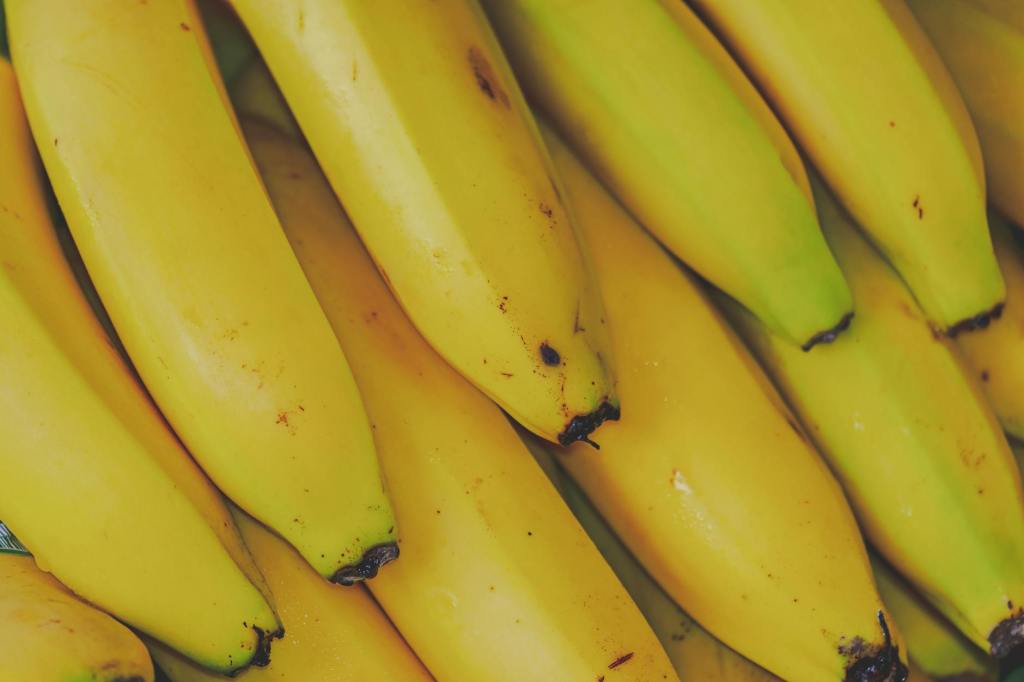
One medium banana (around 100 grams) packs a surprising amount of nutritional goodness! Here’s a breakdown of the nutrients you can find in a typical banana:
- Calories: Around 89 calories, making them a great source of energy without being too heavy.
- Carbs: Bananas are a good source of carbohydrates (around 23 grams per banana), with some being fiber (2.6 grams) and most being natural sugars (12.2 grams). This natural sugar content is what gives bananas their sweetness.
- Potassium: Bananas are famous for their potassium content, boasting around 422 milligrams per banana. Potassium is a mineral that helps regulate blood pressure and muscle function.
- Vitamin B6: A medium banana provides a good amount of vitamin B6, about 33% of the Daily Value (DV). Vitamin B6 is important for energy metabolism and brain function.
- Vitamin C: Bananas offer some vitamin C, around 11% of the DV, which helps support your immune system.
- Other nutrients: Bananas also contain smaller amounts of manganese, magnesium, copper, and vitamins A and E.
Overall, bananas are a convenient and nutritious snack. They’re a good source of fiber, potassium, and vitamin B6, making them a valuable addition to a balanced diet.
5. Grapes – Available in a variety of colors and flavors, grapes are a delicious and healthy snack.
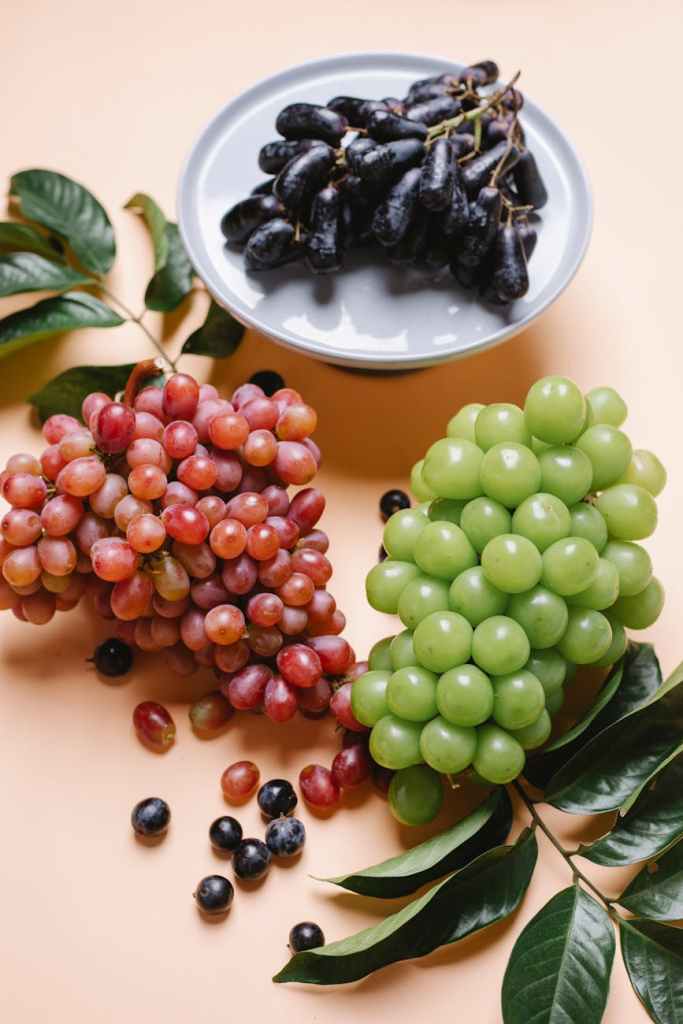
Grapes are a delicious and nutritious fruit, packing a good amount of vitamins, minerals, and antioxidants into a small package. Here’s a breakdown of the nutrients you can find in one cup (151 grams) of red or green grapes:
- Calories: Around 104 calories, making them a good source of energy for a light snack.
- Carbs: Contain mostly carbohydrates (around 27 grams per cup), with some being fiber (1.4 grams) and most being natural sugars (15 grams).
- Potassium: While not as rich in potassium as bananas, grapes still offer a good amount (around 6% of the Daily Value (DV)) which can help regulate blood pressure and muscle function.
- Vitamin K: Grapes are a good source of Vitamin K (18% of the DV), which plays a role in blood clotting and bone health.
- Vitamin C: They also offer some vitamin C (5% of the DV) to support your immune system.
- Antioxidants: Grapes, especially red grapes, are a good source of antioxidants like resveratrol, which may have various health benefits like protecting your heart and brain health.
Overall, grapes are a nutrient-dense snack that’s low in calories and fat. They provide a good amount of fiber, vitamin K, and some vitamin C and antioxidants.
This is just a small sampling of the many delicious fruits available. With so many varieties to choose from, there’s sure to be a fruit that everyone will love.
But what about you? What’s your all-time favorite fruit? Share your top pick and why you love it in the comments below! We’d love to hear about the hidden gems lurking in your fruit basket.

 Wherever We Land
Leave a comment